Did you know that some of the world's best beers come from silent monks living in remote monasteries? It might be hard to believe, but this centuries old tradition produces truly exceptional drinks. Today, you do not need to travel across the globe to experience them; you can find these rare Trappist ales right here in our city. Like uncovering a hidden treasure chest, discovering these beers changes how you view a simple pint. Let us walk through the fascinating world of monastic brewing together and explore why they are such a vital part of our curated guide to imported beers.
What Makes a Beer Truly Authentic?
A beer earns this prestigious title only if monks brew it within the walls of a specific monastery. The monks must oversee the entire production process from start to finish, and they are strictly forbidden from brewing these drinks just to turn a massive profit. Think of it like a home garden where you only grow vegetables to feed your family and donate the rest. All the revenue these monasteries generate goes directly toward their living expenses and charitable causes. This selfless approach guarantees that quality always comes before cash, a philosophy that deeply resonates with our own commitment to authentic culinary traditions.
The Strict Rules of the Monasteries
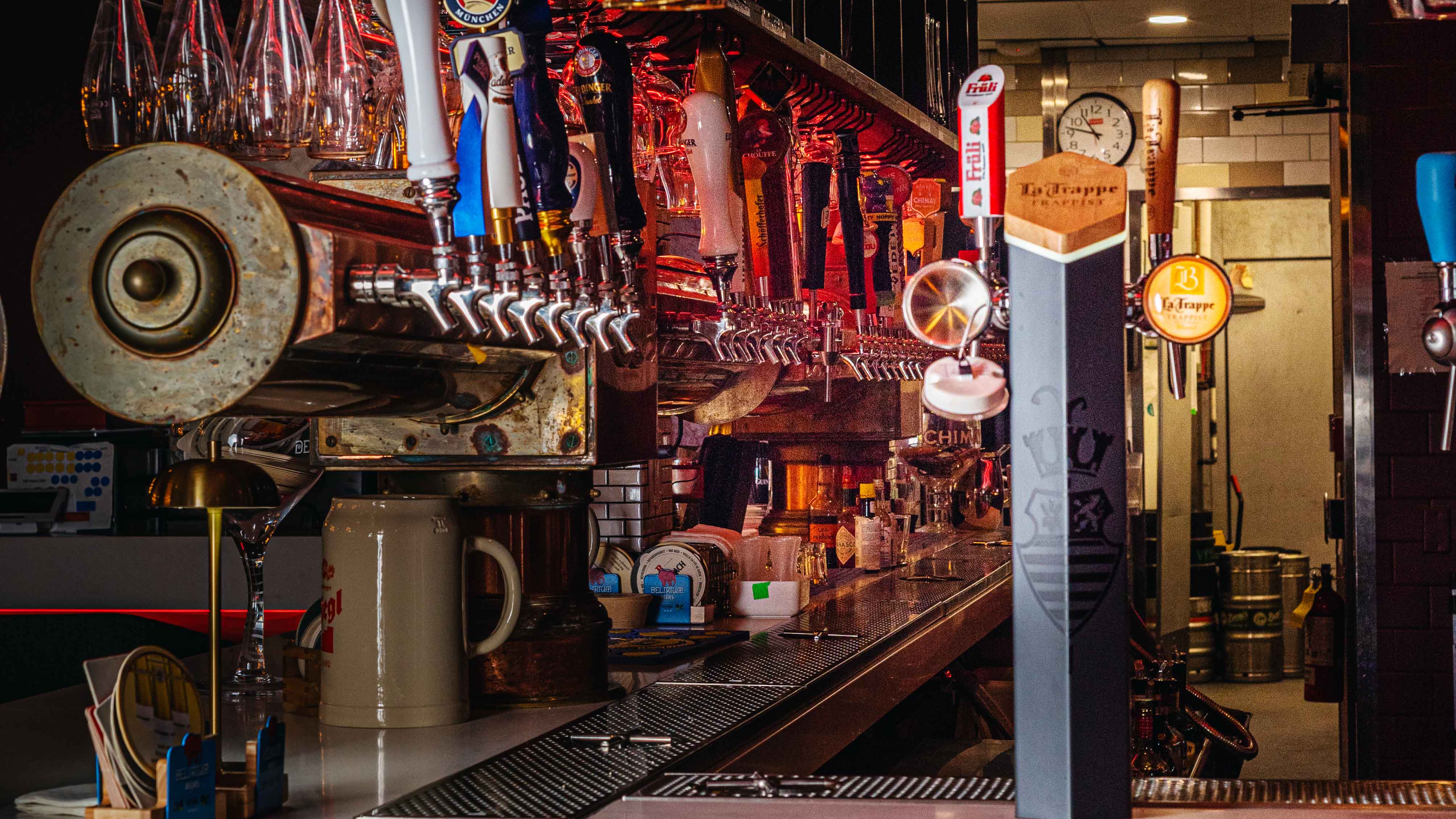
The International Trappist Association strictly guards the famous hexagonal logo you see on these bottles. They regularly inspect the breweries to ensure everyone follows the ancient rules perfectly. If a monastery moves production off site, they immediately lose their official certification. You can compare this to a bakery that promises bread made from scratch in their own kitchen; if the baker suddenly starts buying frozen dough from a factory, they break their promise to you. The monks keep their promise by doing all the hard work themselves.
Why These Beers Are So Rare
Monks have no desire to run massive factories pumping out millions of bottles every day. They brew just enough to support their quiet, simple way of life. This intentional limit means there is always a short supply of authentic Trappist ales on the market, which is why securing them for our rotating craft beer selection is a labor of love. When a batch sells out, you simply have to wait for the next brewing cycle to finish. You cannot rush perfection, especially when the brewers prioritize prayer over production quotas. This scarcity makes every single sip feel like a special occasion.
The Brewing Process Explained
Many people wonder how these small monasteries create such deep, complex flavors. The secret lies in their unwavering dedication to old world techniques and high quality ingredients. Let us look at the careful steps they take to create your favourite drink.
Gathering the Best Ingredients
The monks carefully select the finest malts, hops, and specialized yeast strains for their recipes. Water quality also plays a massive role, with many monasteries drawing directly from their own private wells to form the perfect, pure foundation for a great beverage. Some recipes even include special candi sugar to boost the alcohol content without making the drink heavy. This sugar acts like high octane fuel for the yeast during the brewing process, allowing it to feast and create wonderful, fruity flavors.
The Magic of Fermentation
During fermentation, the special yeast goes to work transforming the sweet liquid into beer. These breweries often use warm fermentation, which creates spicy and fruity notes in the final product. The monks monitor the temperature constantly to keep the yeast happy and healthy. Imagine the yeast as a tiny chef cooking up specific flavors depending on the room temperature; if the room gets too cold, the chef stops cooking and the flavor falls flat.
Beautiful Bottle Conditioning
While most mass produced beers get their fizz from artificial carbonation injected at the factory, monks use a natural process called bottle conditioning to create beautiful, soft bubbles. They add a tiny bit of extra sugar and live yeast to every bottle before sealing it. This extra step causes a second fermentation right inside the glass bottle as it sits in the cellar. The beer continues to age and develop new flavors, much like a fine wine, resulting in a thick, creamy head of foam when you finally pop the cap.
Popular Styles You Should Know
These monastic breweries do not follow standard modern beer categories like standard lagers or stouts. Instead, they use a traditional naming system based on the strength and color of the brew. Knowing these styles will help you pick the perfect drink for your next meal.
- The Light and Crisp Enkel: The monks usually brew this lighter style for their own daily consumption with meals. It has the lowest alcohol content, making it incredibly easy to drink on a warm afternoon. You will taste bright, refreshing notes of citrus and fresh bread.
- The Rich and Malty Dubbel: This style pours a beautiful dark brown color and features flavors of caramel, raisins, and dark chocolate. The monks use dark candi syrup to give this drink its signature color and sweet finish.
- The Strong and Golden Tripel: Do not let the bright yellow color fool you, because this style packs a serious punch. The alcohol content often reaches nine percent, but the dry finish hides the strength incredibly well behind strong hints of banana, clove, and black pepper.
- The Intense Dark Quadrupel: This is the boldest and strongest drink the monks produce, often meant for aging in a dark cellar. It tastes like a rich fruitcake packed with figs, plums, molasses, and warm spices—perfect for sipping slowly near a warm fire after a large dinner.
How to Pour Like a Pro
Pouring these special imports requires a gentle touch to ensure the best possible tasting experience. You want to leave the bitter yeast sediment sitting undisturbed at the bottom of the bottle. Follow these simple steps for a flawless pour every time:
- Let the bottle sit upright in your fridge for at least two days to settle the yeast.
- Open the cap gently to avoid shaking the liquid inside the glass bottle.
- Pour the drink slowly down the side of a tilted glass, leaving the last half inch in the bottle.
Food Pairings for Your Pint
Pairing the right dish with your drink completely changes the entire dining experience. The complex flavors of monastic brews match perfectly with many rich and savory foods. When exploring our full bistro menu, consider these excellent combinations:
- Pair a dark Dubbel with a sharp, aged cheddar or our famous artisan cheese boards.
- Match a spicy Tripel with roasted chicken or beautifully rich pasta dishes.
- Enjoy a heavy Quadrupel alongside a dark chocolate dessert to end your evening perfectly.
Glassware Matters for Flavor
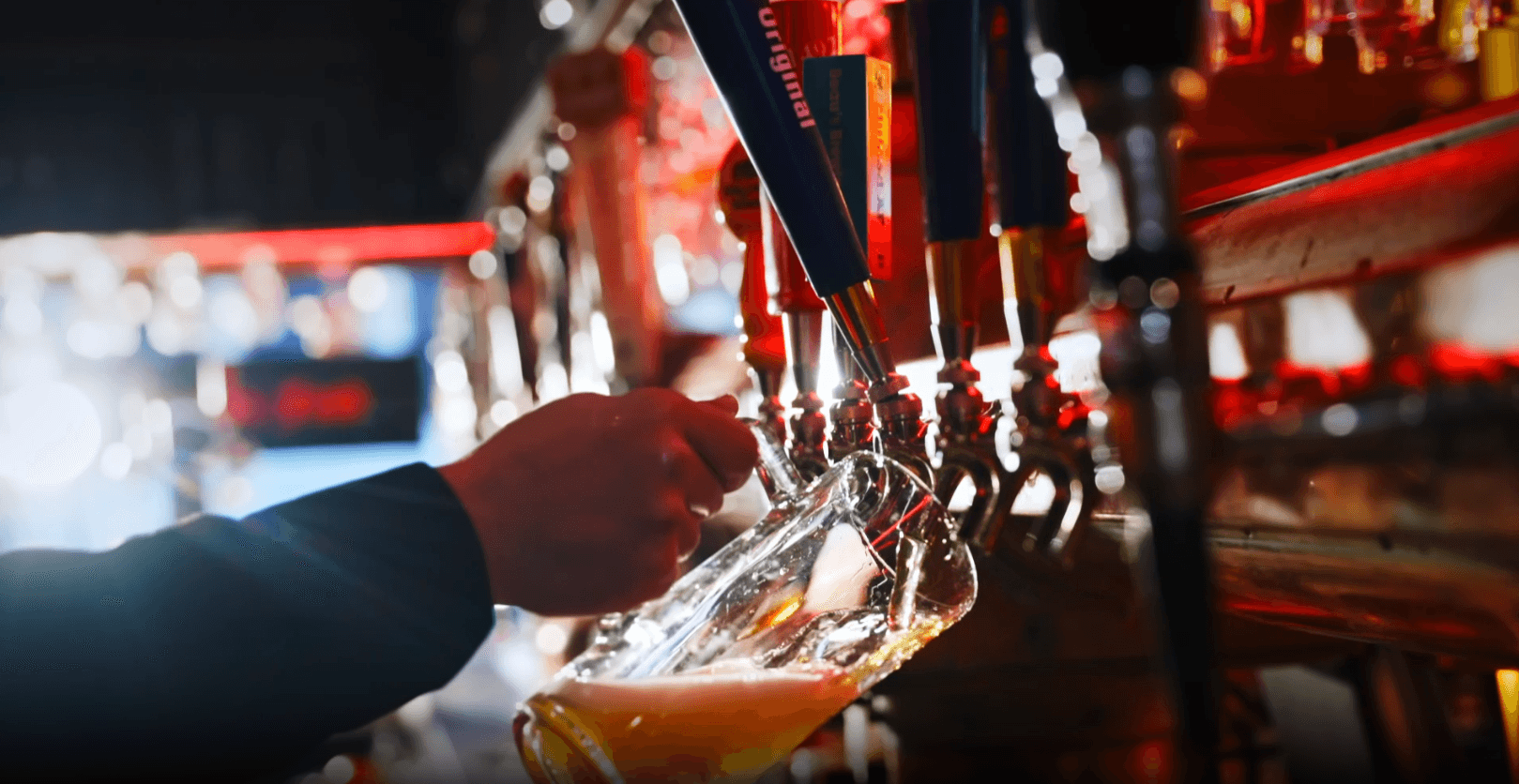
You should never drink these incredible imports straight from the bottle or a standard shaker pint. The monks designed special goblet shaped glasses to capture the unique aromas of their creations. The wide bowl allows the complex smells to reach your nose before every single sip. Using the wrong glass is like listening to a symphony through cheap, broken headphones—you miss all the delicate background notes that make the experience truly special. If you browse our gallery to see the perfect pour, you will notice we always serve these ales in their proper chalices.
Conclusion
We have covered the strict rules, the beautiful brewing process, and the rich history of these amazing drinks. You now possess the knowledge to find, pour, and truly appreciate a genuine monastic brew. Are you ready to taste hundreds of years of tradition in your next glass?
At Blessing in Disguise Bistro & Pub, we proudly serve an excellent selection of authentic Trappist ales alongside rich comfort food. We invite you to reserve your table to taste history and explore our carefully curated offerings. What style of monastic brew will you try on your first visit with us?